*Dipl.-Kaufmann Rainer Seiffert*
The following lines describe my personal insights and reflections on the subject of healthy nutrition. I am an economist and neither a physician nor a nutritionist. This is an informal account of my own experiences and opinions. For concrete health questions and treatments, please consult a doctor you trust. No responsibility is accepted for any consequences.
At the age of 40 I made a change in my diet. The result was striking. I felt noticeably more vitality and lost excess weight. My overall health improved considerably. After three months I was able to run three times my previous jogging distance. That is why I have stayed with it to this day.
In my professional life I spent decades dealing with questions of responsibility, long-term sustainability and sensible prioritisation – whether in companies, public budgets or society at large. The same way of thinking can also be applied to one’s own health. Prevention is almost always wiser and less costly than repair. This holds true for the economy as well as for the human body. Especially in view of the rising costs in the health-care system, I find it regrettable that nutritional science often plays only a minor role in medical training. It is better to address causes before “the child has fallen into the well.”
Our life and our health are a gift. We should treat them with care. For me, a diet that is as natural as possible together with sufficient physical activity form the central foundations of health prevention. In minimally processed food, vitamins, enzymes and other vital substances have not been destroyed by strong heating. It is living, not “dead,” nourishment. I am not advocating a radical change overnight. It seems sensible to me to increase gradually the share of plant-based and minimally processed foods and to observe how one’s own body responds. A more substantial change should ideally be made with medical or professional guidance.
### The Principles of a Sensible Diet
According to the recommendations of the German Nutrition Society (Deutsche Gesellschaft für Ernährung, DGE) and comparable professional organisations, a healthy diet is based on a predominantly plant-based mixed diet. A ratio of roughly 75 percent plant foods and a maximum of 25 percent animal foods is regarded as a useful orientation. The aim is to supply the body with the necessary macro- and micronutrients in balanced form and to help prevent chronic diseases.
**Macronutrients**
Complex carbohydrates (around 50–60 percent of energy intake) should come mainly from whole-grain products – whole-grain bread, oats, brown rice or whole-grain pasta. They keep blood sugar more stable and at the same time provide fibre and micronutrients.
Proteins (about 15–25 percent) are the building blocks for muscles, enzymes and the immune system. Plant sources such as legumes, nuts and seeds deserve particular attention.
With fats (20–30 percent) quality matters most: unsaturated fatty acids from native plant oils (olive oil, rapeseed oil, linseed oil) are preferable to saturated fats.
**Micronutrients and Fibre**
The simple “5 a day” rule – at least three portions of vegetables and two portions of fruit – helps ensure an adequate supply of vitamins, minerals and secondary plant compounds. Fibre (ideally 30 g daily) supports the gut microbiome and satiety.
### What I Prefer to Reduce
Highly processed foods often contain too much sugar, salt and unfavourable fats. High sugar consumption promotes overweight and cardiovascular disease; too much salt raises blood pressure. Herbs and spices can often largely replace salt in cooking. Gentle preparation preserves more nutrients. And mindful eating – without constant distraction – supports the natural feeling of satiety.
### Conclusion
For me, healthy nutrition is neither a short-term diet nor a dogma, but an expression of personal responsibility and long-term thinking. Those who combine a natural, predominantly plant-based diet with regular physical activity lay a solid foundation for their own health – and in the long run also ease the burden on the community.
This is not a medical prescription, but the personal conviction of an economist who considers prevention wiser than expensive repair medicine. In the end, each person remains responsible for his or her own body. Taking that responsibility seriously is, for me, part of a conscious life.
—
**Sources (selection):**
The orientation figures presented regarding a predominantly plant-based diet, the shares of macronutrients, protein intake, the “5 a day” recommendation and fibre intake are based on the recommendations and reference values of the German Nutrition Society (DGE). Further information can be found in the DGE dietary guidelines and DGE reference values for nutrient intake, as well as in comparable statements by international professional bodies on reducing ultra-processed foods and on the importance of whole grains, legumes, unsaturated fats and regular physical activity.
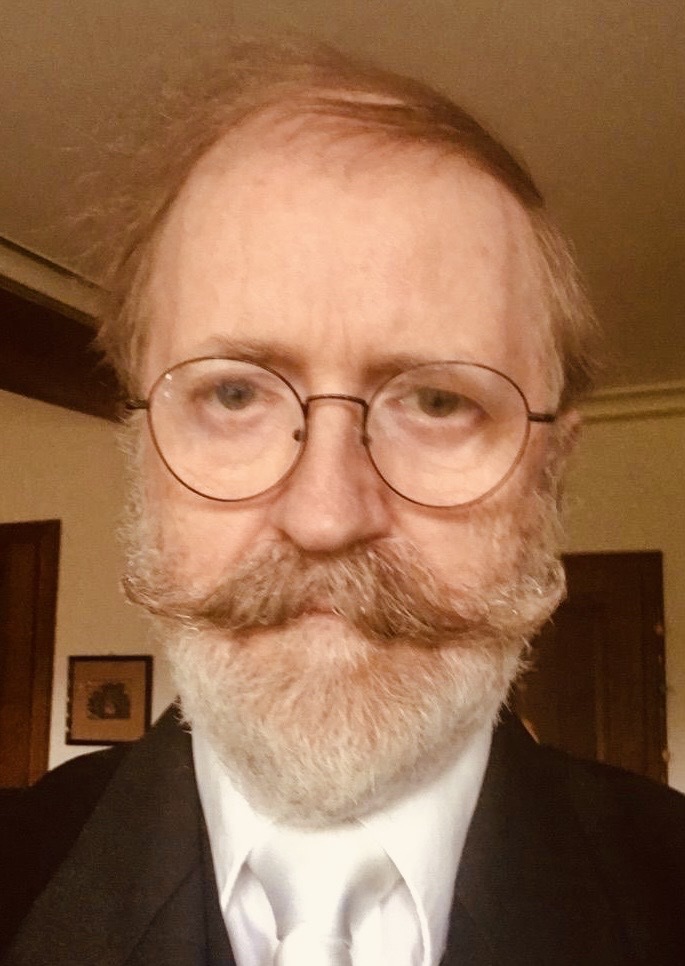
 Rainer Seiffert's Blog